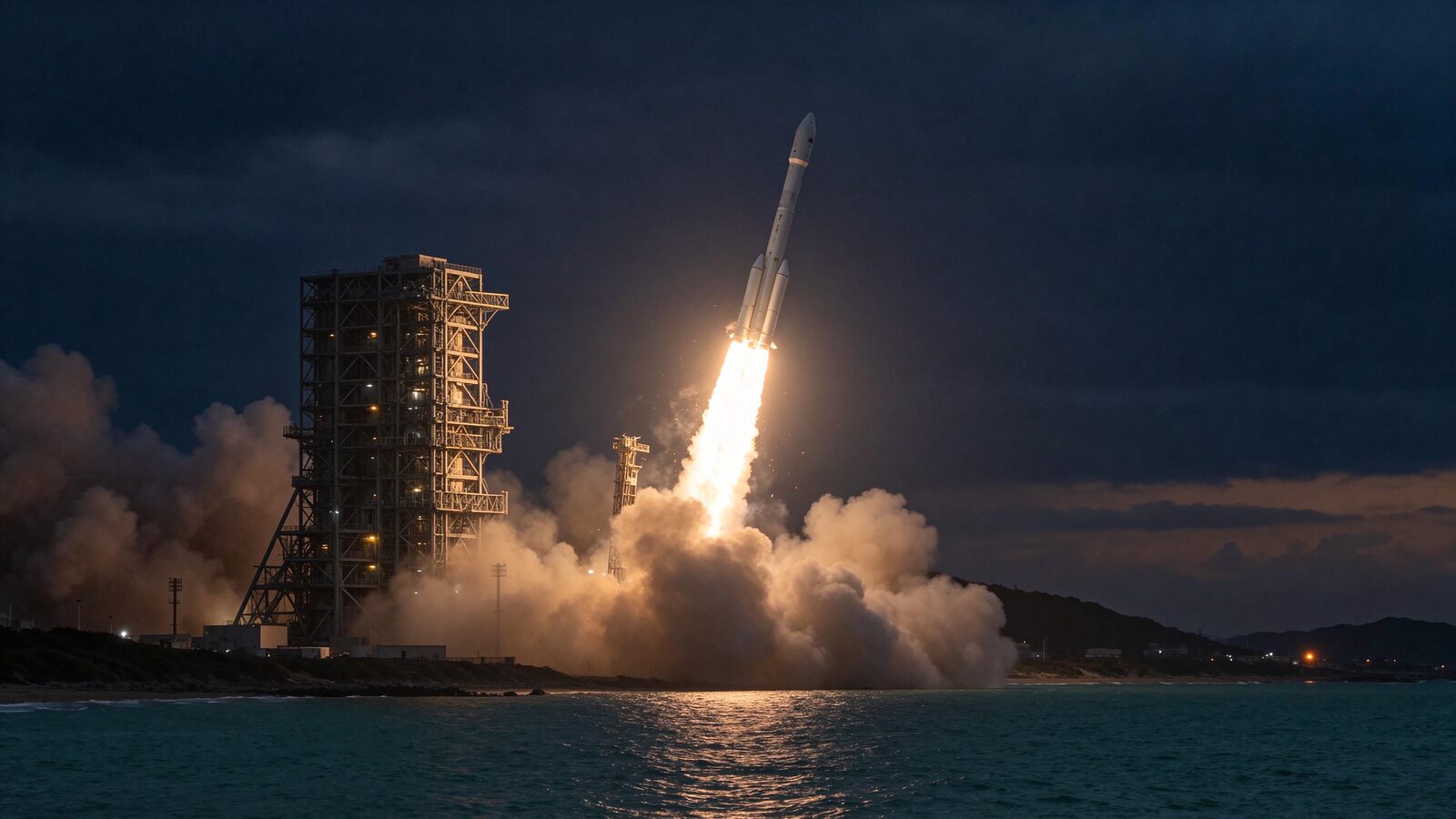
On the scheduling table of the launch site, the window is compressed to minutes. A night launch needs to meet three sets of conditions at the same time: high wind, sea conditions and route avoidance. If any item exceeds the boundary, the window will be extended to the next available period.
Different from the past, the bottleneck of this round of intensive launch is not the rocket itself, but the recovery and reuse link. The offshore recovery platform needs to leave the port several days in advance. Once the operation radius is expanded, the round-trip time and fuel cost will rise synchronously.
Write weather into cost models
Companies began to include weather probabilities in the cost of a single launch: not as averages, but as distributions over acceptable windows, which turned the "launch price" into a range rather than a number.
"Customers don't want the lowest price, they want to know when they can fly," said a launch service executive.Port scheduling also becomes a variable. The recovered arrows need to be quickly transferred to the final assembly test building. The dock berth and road traffic time will affect the reuse cycle. Some companies have built temporary inspection stations near the port area to shorten the turnover chain.
Industry insiders remind that the real test of intensive launch period is the quality management system: when the frequency of launch is increased, the inspection depth of a single task is easily diluted."The number of multiplexing times goes up, and the failure mode will also become more, which requires data accumulation, not just process."