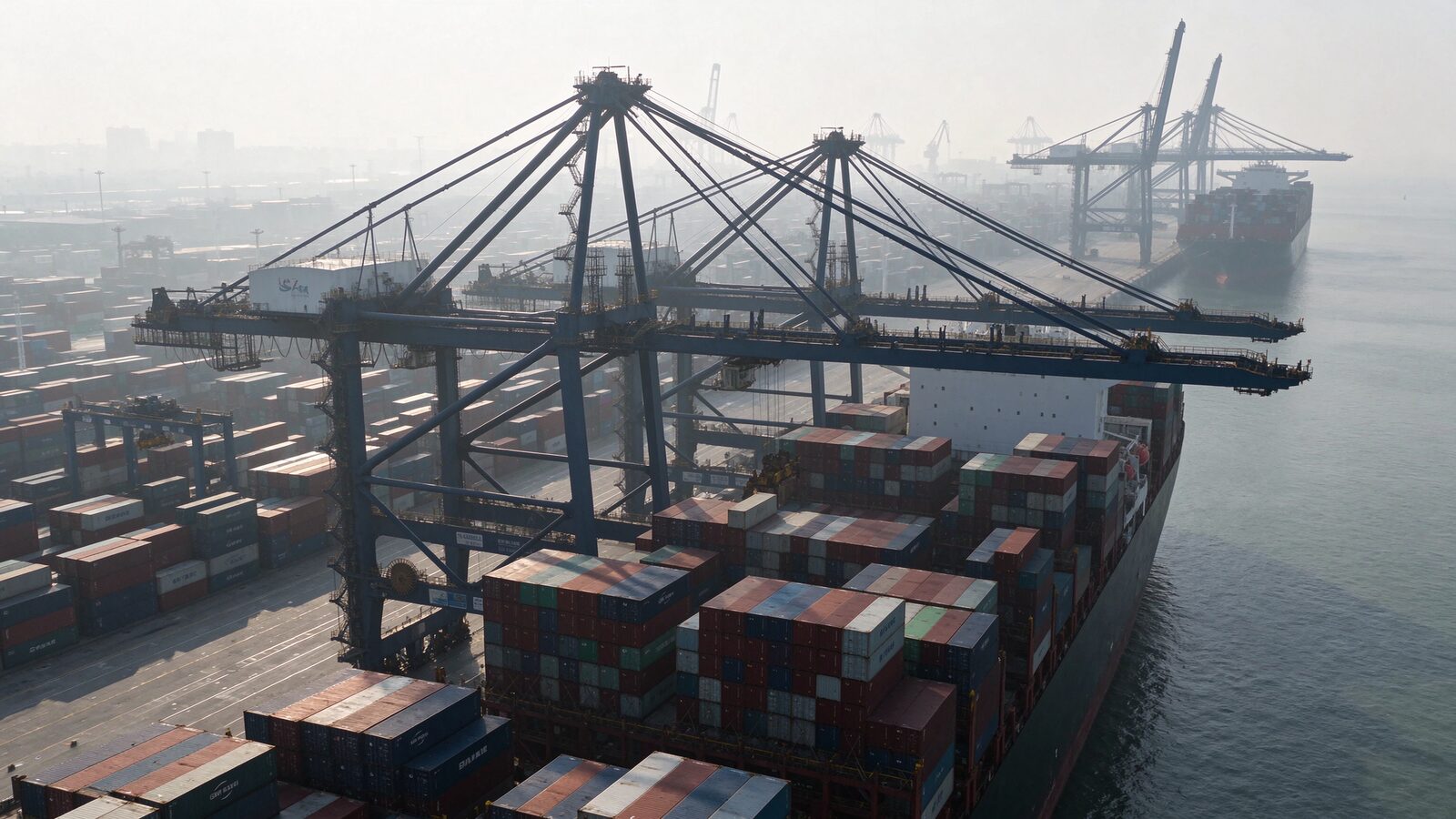
Shift changes began at 6 a.m. in the bridge's operating rooms. The shift schedule showed that this month's workload was double-digit percentage higher than the same period last year, and the number of yard turnover days was reduced by nearly two days. Port managers attributed this to the adjustment of route structure rather than a simple rebound in demand.
"Risk removal" is often implemented at the procurement end in a way that does not move orders from one country to another, but splits the same type of parts to two or three suppliers. The impact on logistics is: the number of goods on a single route becomes thinner, and the number of routes becomes larger.
multi-point to multi-point cost
This structure increases resilience and complexity. Companies need to manage multiple sets of customs documents, multiple transportation timelines and multiple inventory levels at the same time. The logistics director of one consumer electronics company said that they increased their safety inventory from 21 days to 35 days."The extra two weeks are paying for uncertainty."
"The cheapest route is not necessarily the most reliable route, and reliable routes tend to be more expensive," he said.Tariffs therefore exhibit more pronounced range fluctuations. Peak periods are flattened in high season, bottoms are raised in low season, and the middle zone widens. For freight forwarders, the benefits come from scheduling capacity rather than simple space differences.
The investment direction on the port side is also changing. The priority of automated storage yards and railway dedicated lines is rising, not to improve single point efficiency, but to reduce cargo waiting between different modes of transportation.