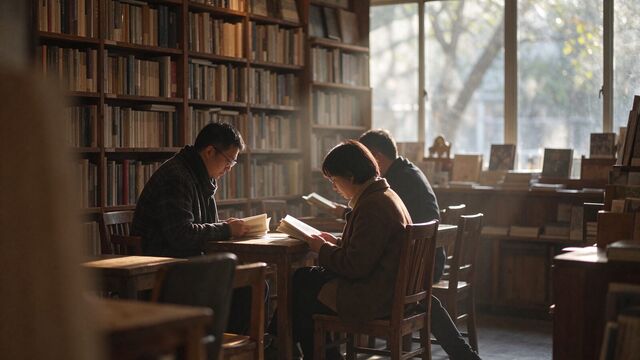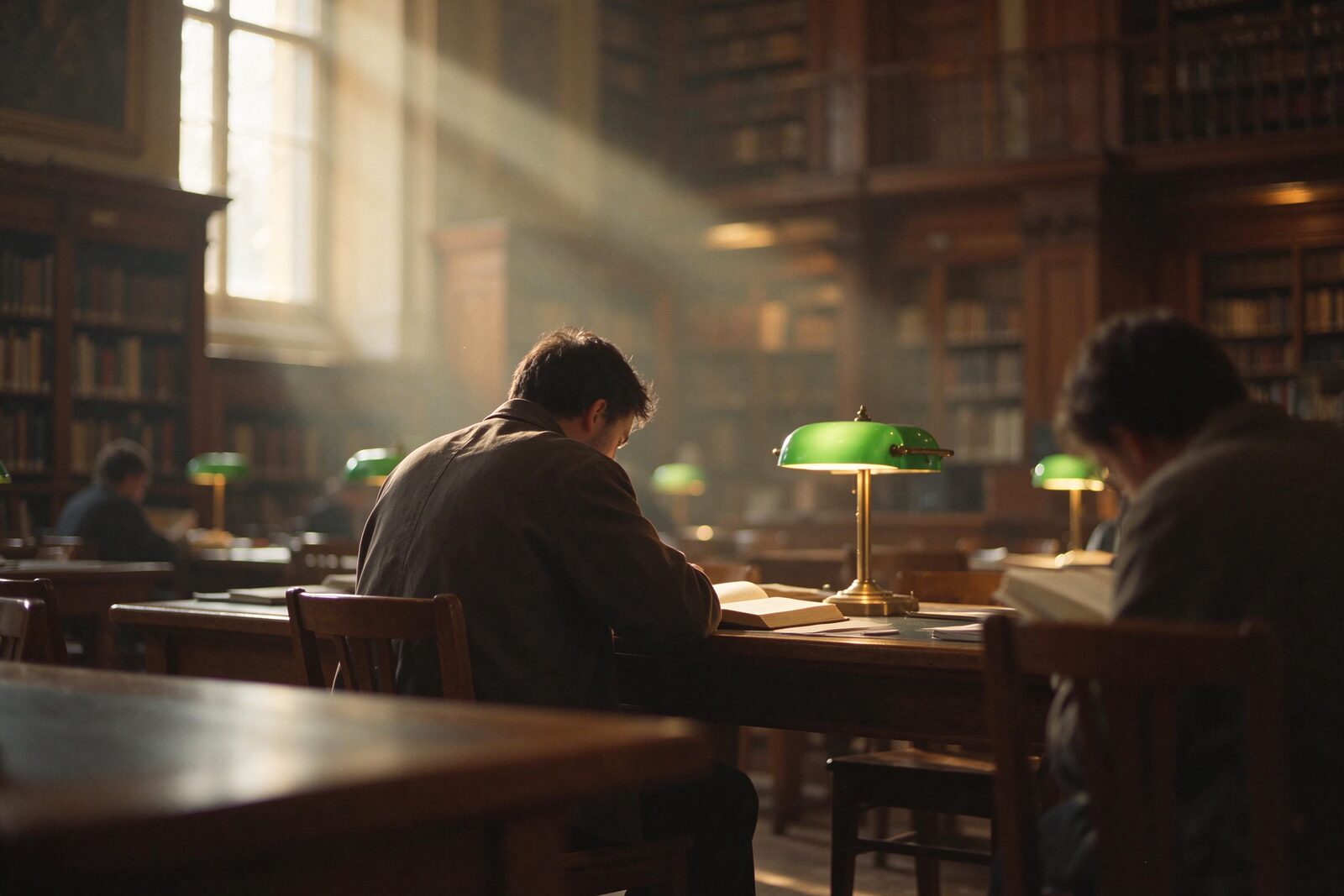
At 5:30 p.m., the reading area began to fill up, and the librarian said that this time, which was supposed to be the quietest, was now the second peak of the day: people coming home from work sat down for a while before going home.
Statistics show that paper book lending has been declining for years, but library attendance is rising. After the two curves intersect, libraries have to redefine their core business.
From Book Collection to Scene
Some libraries have reduced the proportion of closed-shelf stacks to free up space for self-study areas, parent-child reading areas and small lecture spaces. Others have extended their opening hours and pushed their closures from evening to night, increasing electricity consumption and security costs.
"It's not that readers don't need books, it's that they don't need to make a special trip to books," said one curator.The use of digital resources is highly concentrated at night, complementing the entry curve of physical space, and managers are beginning to see them as two forms of the same set of services at different times, rather than as substitutes for each other.
Challenges remain: conflicts between quiet and activity, teen occupancy, safety at night. Multi-library attempts to mitigate with zoning and reservation systems, but the effect depends on the details of implementation, not the system design itself.