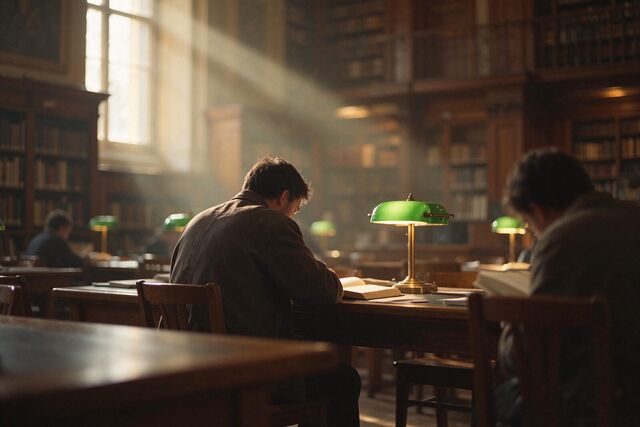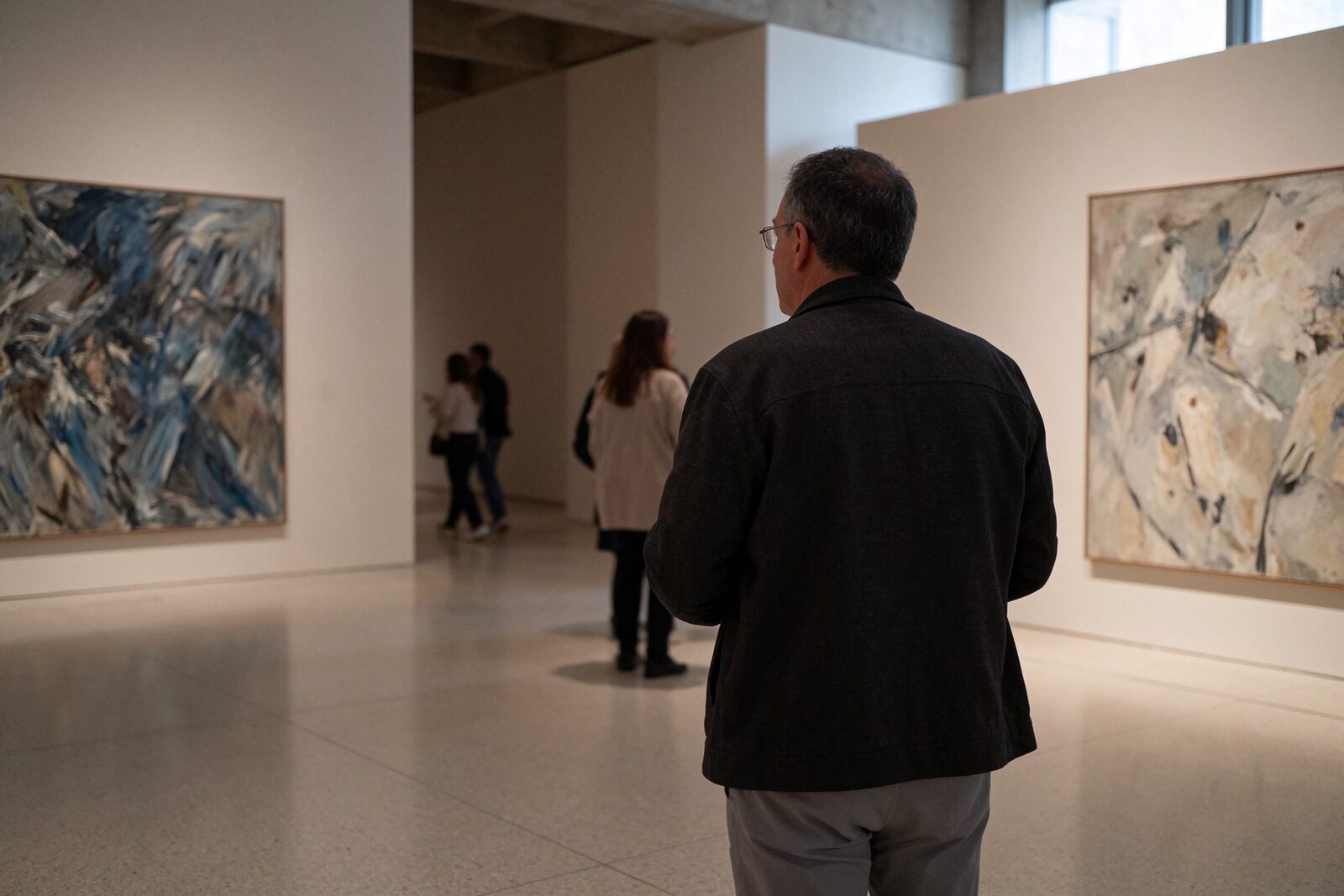
At 2 p.m. on weekdays, the gallery was not crowded. Some people stood in front of the paintings for a long time, others simply circled the gallery and turned on their computers on benches. Data from the ticket system showed that this type of "atypical viewing" was increasing: staying longer but seeing fewer works.
Curators are divided between those who see it as a manifestation of the museum's public nature, with the exhibition hall becoming a third space in the city, and those who worry that the academic presentation will be diluted when the exhibition is used as a backdrop.
Indicators are changing.
Many institutions began to include "average length of stay" and "distribution of stay before works" in their evaluation, instead of just looking at the number of people entering. Some museums even counted the number of times visitors turned on their mobile phones before a certain exhibition to judge the effectiveness of text descriptions.
"We used to assume that the audience was here to learn, but now we have to accept that they are here to stay," says one curator.The space design is adjusted accordingly. More seats and wider moving lines indicate that the text has moved from the wall to a position closer to the works. Some pavilions have set up a reading area at the entrance of the exhibition hall that does not require tickets, making the boundary between viewing and daily stay more blurred.
Controversy remains, but the trend is clear: As the number of public cultural spaces grows faster than the size of core audiences, museums must answer a more modest question-why do people want to spend an afternoon here?