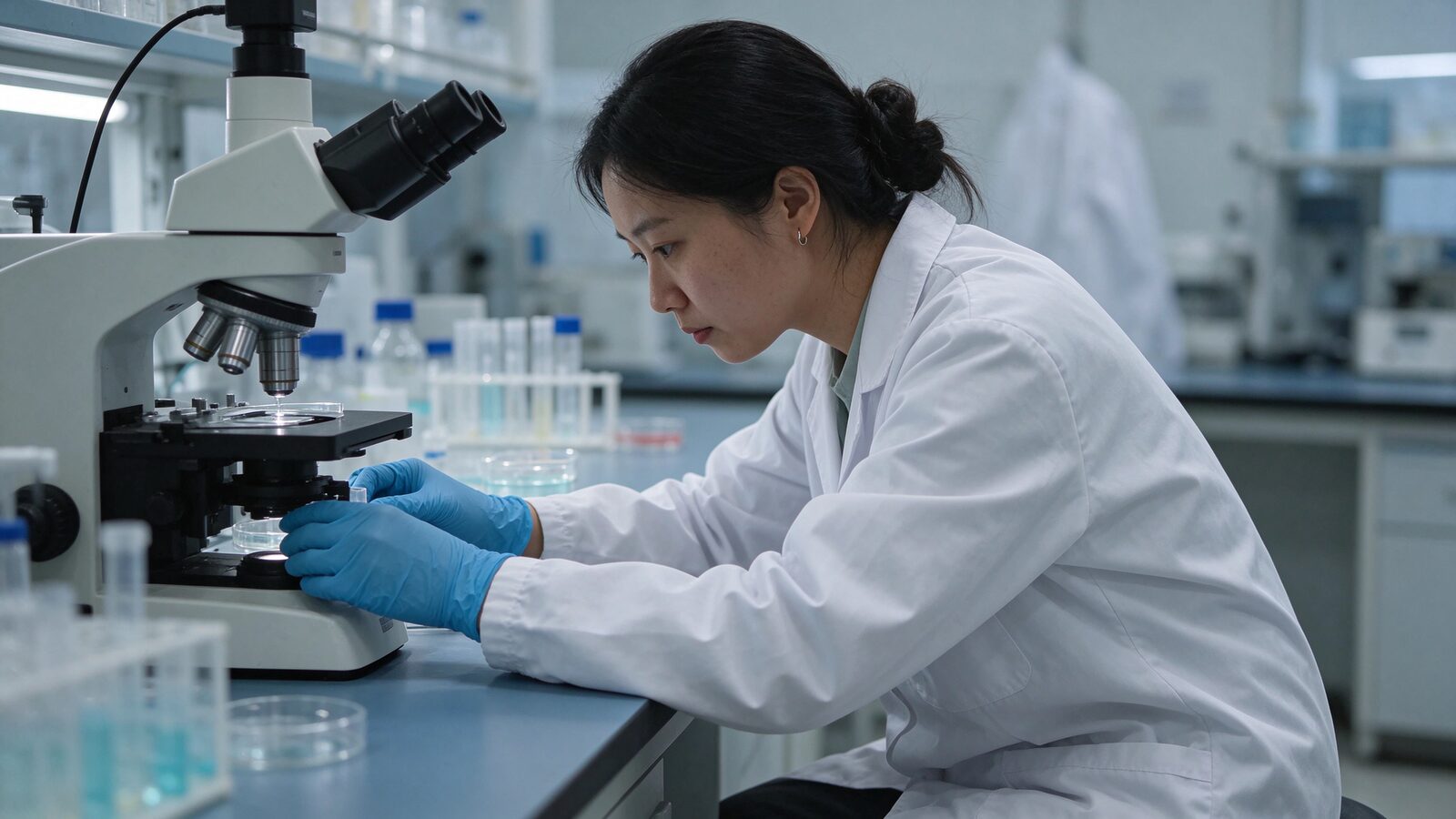
In the lab's freezer, sample boxes numbered A to M are lined up. They come from more than a dozen hospitals in five provinces and have been collected over seven years. The samples are the most expensive asset for the screening study,"much more expensive than the equipment," the project director said.
The difficulty in screening for rare diseases is not in the detection technique itself, but in proving that it is worth screening. The lower the incidence of a disease in a population, the greater the burden of false positives: for every patient found, there may be dozens of healthy people who need to be retested.
three passes
The first is analytical validation, which requires replication of marker stability in independent populations; the second is health economics assessment, which calculates the relationship between screening costs and subsequent treatment expenditures; and the third is process design, including how positive results are communicated, how referrals are made, and how follow-up is conducted.
" Finding out is only the beginning. It's only complete if you can catch it," the project leader said.
In some pilot areas, researchers worked with primary care institutions to design referral pathways, moving the review link to county hospitals to reduce patient trips. Preliminary data showed that follow-up completion rates increased significantly.
But the rollout is still constrained by cost. When reagents, equipment, and manpower are stacked, the cost of a single screening is not low. The research team is trying to spread the cost by combining tests and embedding rare disease screening into existing newborn or physical examination processes.
" Ten years isn't a long time," the person in charge said." What we want is not a beautiful thesis, but a process that can run forever."